

Population
Health
OVERVIEW
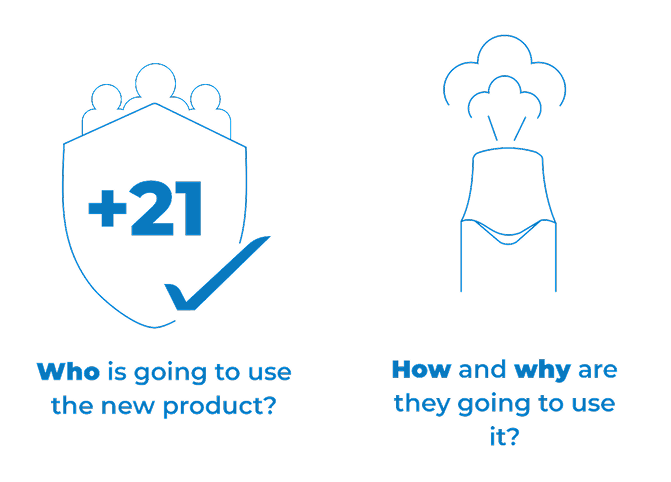
The Population Health Impact (PHI) team plays a pivotal role in understanding and evaluating how tobacco and nicotine products affect public health. They focus on key research areas including Survey Research, Human Factors, Actual Use & Topography, and Health Impact Modeling, with an overarching mission to assess who uses tobacco products, how they use them, and the broader implications for population health. This information is used for delivering scientific evidence for regulatory submissions and engaging with regulatory bodies, researchers, and public health advocates.
Research
The PHI team employs a comprehensive research framework that integrates behavioral science, epidemiology, and regulatory science. They conduct longitudinal and cross-sectional surveys – such as the Longitudinal Nicotine Pouch Survey (LNPS) – to gather data on user behavior and health outcomes. PHI uses survey data to estimate both the relative harm of a new product compared to combustible cigarettes and the public’s intention to use it. These estimates enable models that predict the potential public health benefit, if the product were introduced to the market.
A core component of PHI’s work is the execution of actual use and topography studies, which provide real-world insights into adult tobacco and nicotine consumer behavior. By leveraging new technologies, PHI enhances the precision and efficiency of these studies, often integrating topography data into randomized controlled trials (RCTs) to collect product use information on large numbers of product consumers in a real-world environment. Additionally, PHI uses consumer-reported outcome measures (CROMs) to support submissions like PMTAs and MRTPAs and performs human factors testing to ensure product usability. This integrated approach enables PHI to generate robust, science-based evidence that informs regulatory decisions and supports the responsible development of potentially reduced-risk tobacco and nicotine products.